How Humidity Affects Your HVAC System in Austin
Published: 2026-04-26 · By AustinPros Air Conditioning Service
In the heart of Austin, where temperatures soar and humidity clings to your skin, homeowners often find themselves battling a hidden adversary: their HVAC systems. Imagine arriving home after a sweltering day only to be greeted by stale air, or worse, inadequate coolness while a severe thunderstorm rages outside. The interplay of humidity and your air conditioning unit underscores the importance of understanding how this local climate affects your comfort and your home's functionality.
Why This Matters for Austin Homeowners
With Austin's extreme heat and humidity, the performance of your HVAC system is put to the test. High moisture levels can lead to condensation, which not only affects the air quality inside your home but can also result in mold growth. In such a humid environment, air conditioners work harder, leading to increased energy costs and more wear and tear. Furthermore, the clay soil prevalent in our area can exacerbate foundation issues, impacting ductwork and airflow.
Understanding these factors is crucial for homeowners. Systems that are not adequately maintained to combat humidity may suffer from frequent breakdowns, particularly during peak hurricane season when storms can disrupt power and push your AC to its limits.
In summary, acknowledging the role humidity plays in HVAC performance is essential for preserving both comfort and system longevity in Austin homes.
Expert Solutions & Actionable Tips
1. Understanding Humidity Levels
Austin experiences an average humidity level of 65-90% during summer months, making it vital to grasp how humidity impacts air conditioning. For homeowners, investing in a hygrometer can help monitor these levels effectively, giving you insight into when your HVAC system might struggle. This simple device ranges from $15 to $50 and can be a game-changer in understanding your home's moisture levels.
Consider pairing your air conditioning with a dehumidifier. A quality unit will cost around $200 to $800, offering significant benefits in comfort when humidity peaks, especially during thunderstorms.
2. Regular Maintenance is Key
Performing routine check-ups for your HVAC system can dramatically improve its efficiency in humid conditions. Schedule a professional HVAC inspection twice a year, typically in spring and fall, which can cost anywhere from $75 to $150 per visit. During these inspections, technicians will check for necessary repairs, clean coils, and ensure your system runs smoothly.
In humid months, pay special attention to the condensate drain; it can easily clog and cause your system to malfunction. Clear drains can prevent water backups and the growth of mold inside ducts, potentially saving thousands in repairs caused by water damage.
3. Upgrade to a Higher SEER Rating
When HVAC systems are rated for Seasonal Energy Efficiency Ratio (SEER), higher ratings mean better efficiency. For the humidity-heavy environment of Austin, aim for a SEER rating of 16 or higher. While initial system costs can range from $4,000 to $12,000, the investment is worth it when you consider lower utility bills and improved cooling capacity in our climate.
Choosing a system suited for high humidity can also increase property value and reduce instances of breakdowns during peak seasons. Consulting with AustinPros Air Conditioning Service can help identify the best systems according to local conditions.
4. Humidity Control Solutions
Consider investing in whole-house dehumidifiers installed alongside your HVAC system. They range from $1,200 to $2,500 but can significantly enhance comfort and indoor air quality, especially during heavy humidity levels. These systems work seamlessly with your AC, reducing the workload.
With the severe storms common during hurricane season, enhanced humidity control can be vital for preventing mold growth and ensuring your system performs effectively throughout the year. Speak with HVAC professionals to assess the best models for your home’s needs.
5. Insulation and Airtight Ducts
Improper insulation can lead to unwanted moisture seeping into your home, affecting HVAC performance. Ensure your attic and walls are adequately insulated to prevent warm, humid air from infiltrating your living spaces. Average insulation costs can run between $1.50 to $3.50 per square foot, but this is a crucial investment for long-term efficiency.
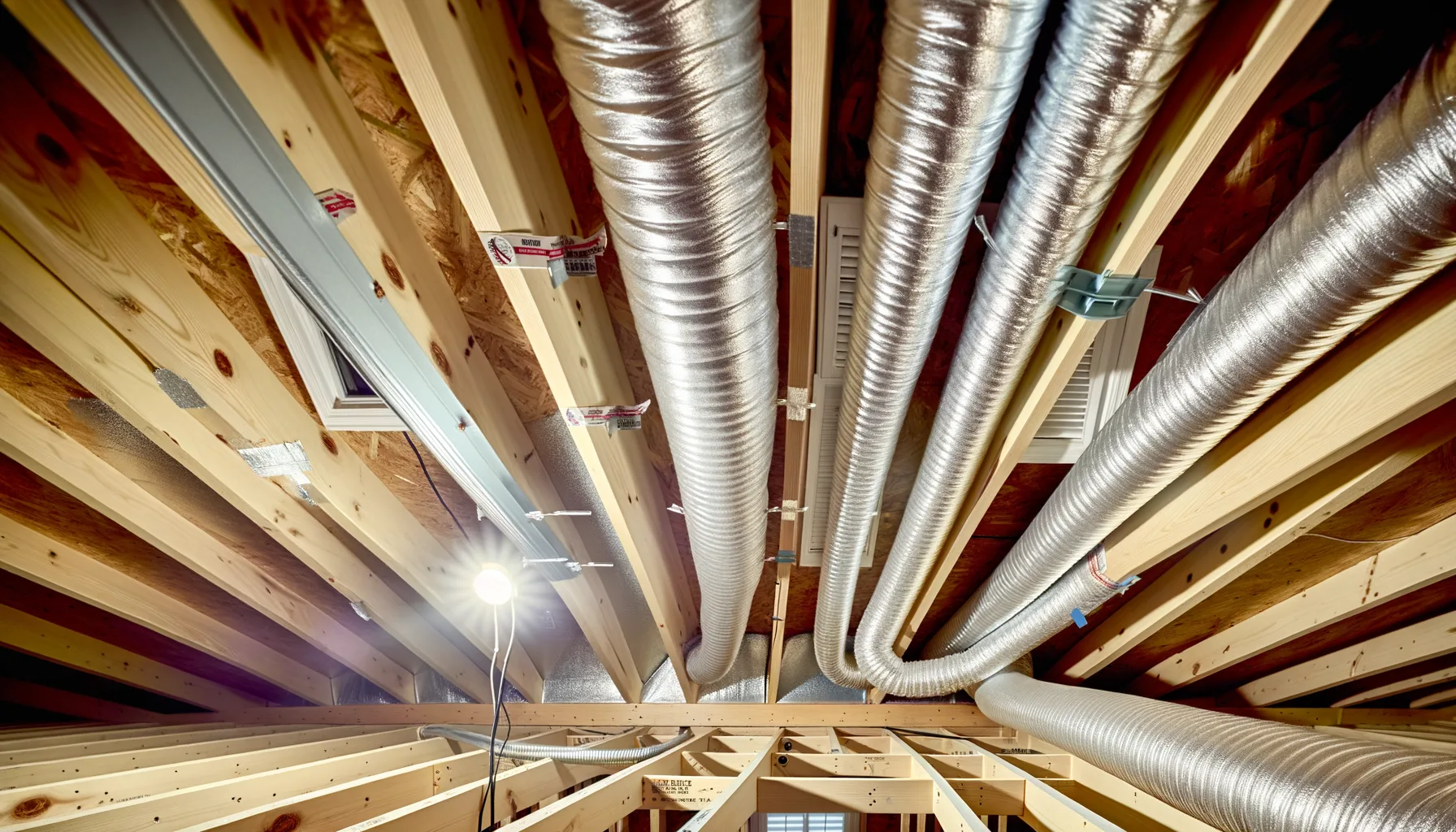
Additionally, inspect ductwork for leaks or disconnections, particularly in homes with existing foundation issues. Sealing ducts can reduce humidity and energy loss, making your system operate at peak efficiency.
6. Emergency Readiness
Given the severe thunderstorms and hurricanes that affect the Austin area, being prepared for emergencies is essential. Consider investing in a whole-home generator if power outages are common in your area. Generators typically range from $2,000 to $10,000, and having one can keep your HVAC running during critical periods.
Also, ensure your emergency plan includes having non-perishable food and water supplies on hand in case your HVAC system needs repairs or major storms disrupt utility services.
Austin Climate & Local Context
Austin boasts a unique climate that requires careful consideration when it comes to HVAC installation and maintenance. Our humid subtropical climate means that cooling systems are not just a luxury; they are a necessity for comfortable living. With many homes built before modern building codes were implemented, older properties may lack adequate insulation or proper ductwork, exacerbating humidity problems.
The local soil composition, primarily clay, is prone to shifting, which can lead to cracks and other structural issues that may impede HVAC functionality. This reality necessitates not only regular maintenance but also careful choices in HVAC contractors who understand these local intricacies.
When to Call a Professional
Deciding whether to tackle HVAC issues yourself or seek professional help can be tricky, especially given the complexities introduced by humidity. If you encounter issues like insufficient cooling, strange noises, or strange odors, it’s often time to call in a pro.
- Unusual water leaks from your AC.
- Persistent humidity levels above 60% in your home.
- AC system not responding to thermostat adjustments.
- Repeated breaker trips when the unit is running.
- Age of the unit exceeding 15 years.
- Mold growth around vents or on walls.
- New condensation or wet spots on walls or ceilings.
- General lack of airflow throughout the house.
In most situations, it’s advisable to rely on certified professionals such as AustinPros Air Conditioning Service to ensure a thorough inspection and appropriate solutions.
Frequently Asked Questions
What’s the best HVAC system for humidity in Austin?
For Austin's climate, look for units with a SEER rating of 16 or higher that also feature variable speed fans. These systems can efficiently handle high humidity levels.
How often should I maintain my HVAC system in Austin?
It's wise to schedule professional maintenance twice a year, ideally before the summer heat and after winter, ensuring your system operates efficiently all year long.
Can I install a dehumidifier myself?
While portable dehumidifiers can be installed by homeowners, integrated systems should be handled by professionals to effectively manage the AC’s operation and airflow.
What signs indicate a need for new ductwork?
If you notice inconsistent temperatures or increasing humidity levels, it may signal that ductwork needs repair or replacement. Professional assessment will provide clarity.
Will my home insurance cover HVAC issues?
Typically, home insurance covers HVAC damage due to specified risks, but check with your agent to understand the details relevant to your policy.
Get Expert HVAC Service in Austin
Ensure your HVAC system is primed for the unique challenges of Austin's climate. If you're concerned about humidity affecting your comfort or system performance, don't hesitate to reach out. Call (737) 316-5523 for expert assistance from AustinPros Air Conditioning Service, your trusted local HVAC partner.
Your comfort is just a call away. Let's work together to keep your home cool and dry in the Texas heat!