Top 5 HVAC Myths Austin Homeowners Still Believe
Published: 2026-04-26 · By AustinPros Air Conditioning Service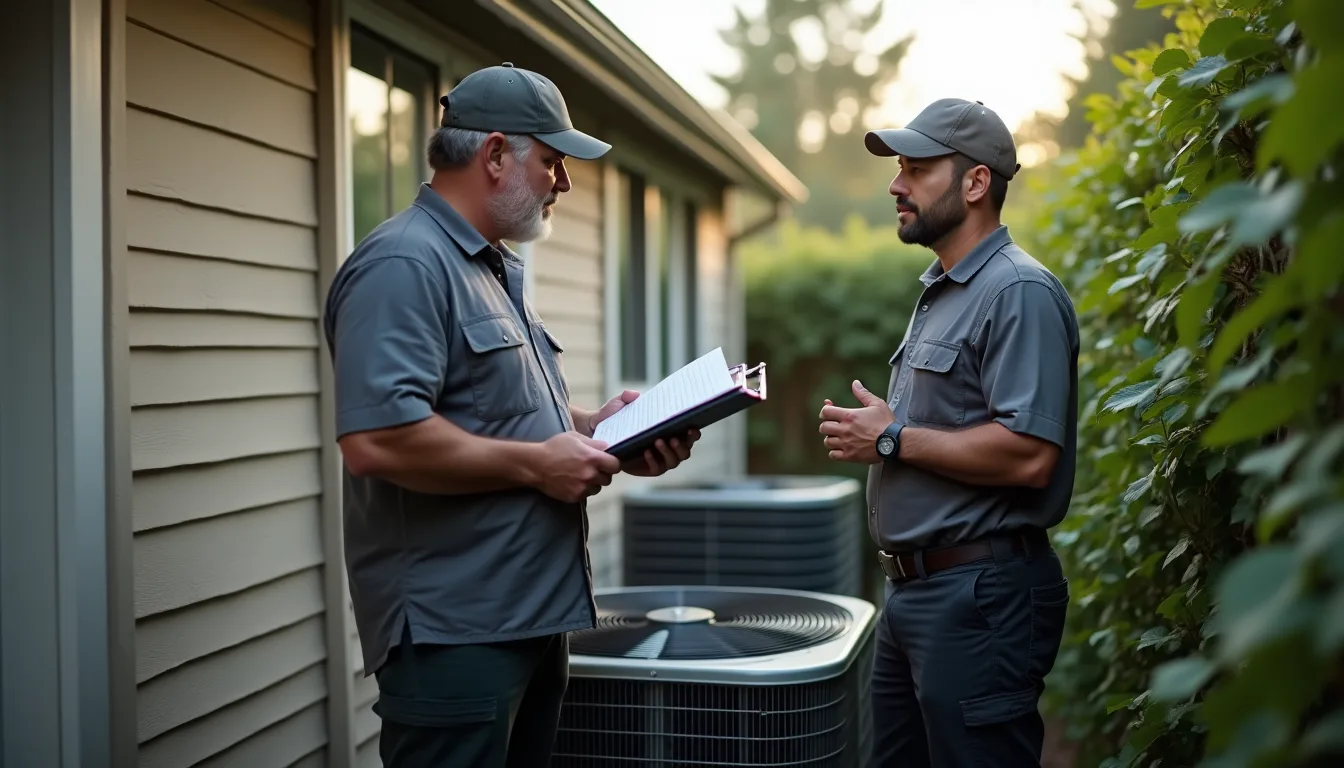
Austin homeowners are no strangers to the heat, with summer days often tipping the scales well into the triple digits. Picture this: the sun beats down relentlessly, the air is thick with humidity, and the last thing you want is an HVAC system that fails when you need it the most. Despite the importance of a well-functioning air conditioning unit, many people cling to outdated beliefs that can lead to problems down the line. Understanding the truth behind common HVAC myths can help you keep your home comfortable during those sweltering Texan summers.
Why This Matters for Austin Homeowners
Many homeowners in Austin believe they can save money by skipping regular maintenance on their HVAC systems. While it might seem wasteful to pay for a tune-up when everything seems to be working, neglecting routine service can lead to greater expenses. In a city known for its extreme temperatures and unpredictable weather, a small neglected issue can balloon into a major problem. For instance, high humidity levels can cause your HVAC to work harder, increasing wear and energy bills.
Another myth that prevails is the idea that a larger air conditioning unit is always better. This misconception can lead to oversize installations that waste energy and create uneven temperatures within the home. The local clay soil can further complicate things, as fluctuating moisture levels can tilt and shift the foundations, potentially impacting the installation and performance of HVAC units.
Then there's the frequent belief that the thermostat setting will determine how quickly the house cools down. Cranking the thermostat down won’t lead to rapid cooling; instead, it places undue stress on your unit, leading to failures at inopportune times.
Expert Solutions & Actionable Tips
1. Regular Maintenance Is Essential
Austin homeowners should prioritize regular HVAC maintenance to ensure their systems function optimally. Annual inspections typically cost between $75 and $150 and can extend your unit's lifespan significantly. Being proactive, especially in a climate with extreme heat and humidity, can prevent costly breakdowns during peak summer months.
2. Size Matters: The Right HVAC for Your Home
Don't fall for the myth that bigger is always better. An HVAC system that is too large can cycle on and off too frequently, wasting energy and not properly dehumidifying your space. It's crucial to have a professional HVAC technician assess your home and recommend the appropriately sized system, often averaging around $3,500 for installations in Austin.
3. Keep Your Vents Clean and Clear
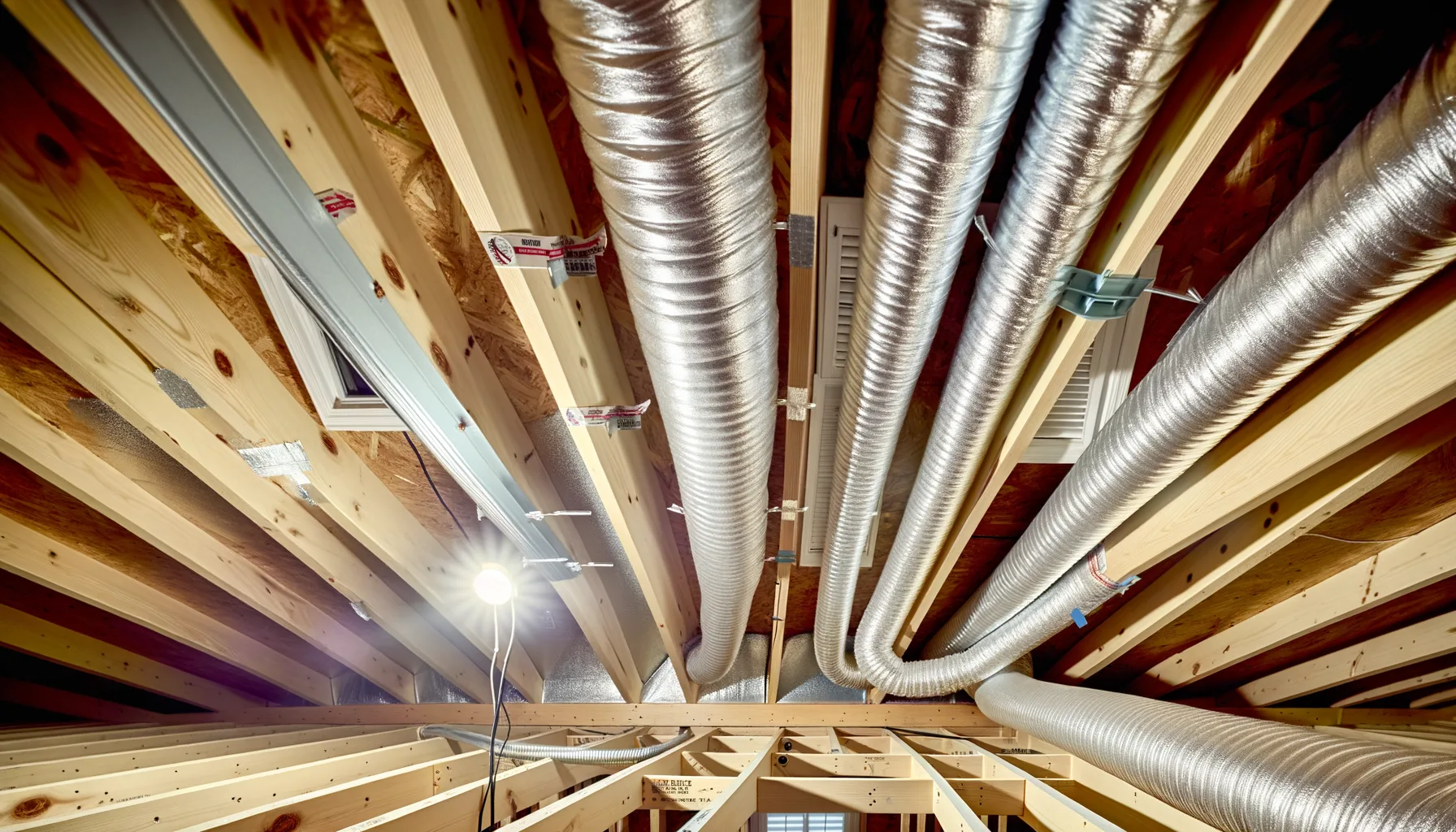
Blocked vents can lead to poor air circulation, increasing energy costs and reducing comfort. Regularly inspect and clean your vents; consider professional duct cleaning services, which can cost anywhere from $300 to $500. This is particularly important in a city where dust and allergens can become trapped in your system.
4. Consider Energy-Efficient Units
Installing an energy-efficient HVAC system can lead to substantial savings on your energy bills. Look for models with a Seasonal Energy Efficiency Ratio (SEER) of 16 or higher. Although these advanced systems may have a higher upfront cost of around $5,000 to $7,000, they often result in a lower utility bill and a reduced environmental footprint.
5. Monitor Humidity Levels
In Austin, managing humidity is key to maintaining comfort. Using a dehumidifier in conjunction with your HVAC can assist in keeping your home at a comfortable humidity level. This investment generally costs $200 to $600 but can dramatically enhance your comfort during summer months filled with 90% humidity.
6. Know When to Call in the Experts
Many homeowners attempt DIY repairs only to compound the problem. Call a local HVAC professional when you notice anything beyond regular maintenance, especially with electrical or refrigerant issues. Quick diagnoses can save you from costly repairs later on.
Austin Climate & Local Context
Austin's unique climate demands particular attention to HVAC systems, given the range of temperatures and conditions. The city is susceptible to extreme heat and high humidity, which can affect indoor air quality and comfort. Additionally, the clay soil prevalent in Texas leads to foundation shifts that can impact the installation and performance of HVAC equipment over time. Understanding local building codes is essential when upgrading or replacing your system, as Austin has specific regulations about energy efficiency and environmental impact.
Having an energy-efficient HVAC system not only complies with local legislation but also contributes to a healthier living environment. Be sure to consult HVAC professionals who are familiar with Austin’s building complexities when planning upgrades.
When to Call a Professional
While some minor HVAC issues can be handled independently, knowing when to call a professional is crucial. For instance, consider DIY solutions only for simple fixes like changing filters or checking for blockages. However, fallback to a professional for more complex situations.
- Unusual noises from the unit.
- Odd smells emitted from the vents.
- Inconsistent temperatures in different rooms.
- Mold or mildew growth near the HVAC system.
- High energy bills with no explanation.
- Freon leaks or refrigerant levels that seem low.
Attempting to navigate complicated repairs without proper knowledge could lead to further damage, so don’t hesitate to contact AustinPros Air Conditioning Service for expert advice.
Frequently Asked Questions
What should I do if my AC won't cool?
If your air conditioning unit isn't cooling, first check your thermostat settings and ensure it's set to 'cool.' Other simple fixes may include checking for a clogged filter or vent. If these steps do not resolve the issue, contact AustinPros for a thorough diagnostic.
How often should I have my HVAC system serviced?
It's recommended to have your HVAC system professionally serviced at least once a year, preferably before the start of the summer season in Austin. Regular maintenance ensures optimal performance and longevity.
What are the signs I need to replace my HVAC system?
Look for inconsistent temperatures, rising energy bills, and frequent breakdowns. If your system is more than 10-15 years old and exhibits these issues, it may be time to consider a replacement.
How can high humidity affect my HVAC?
High humidity levels can cause your HVAC system to work harder than necessary, resulting in greater energy consumption and increasing the risk of malfunction. Proper humidity management is important for efficiency and comfort.
What regulations should I be aware of when installing HVAC in Austin?
Austin has specific codes related to energy efficiency and environmental impact for HVAC systems. Make sure to work with qualified professionals who are familiar with local regulations to ensure compliance during installation.
Get Expert HVAC Service in Austin
Don't let outdated HVAC myths jeopardize your comfort this summer. It's vital to understand the unique demands of your home's cooling needs in Austin. Reach out to AustinPros Air Conditioning Service to ensure your HVAC system operates at peak efficiency.
Contact us today at (737) 316-5523 for expert advice and assistance in keeping your home cool and comfortable during the Texas heat.