What to Do When Your HVAC System Breaks During a Austin Winter Storm
Published: 2026-04-26 · By AustinPros Air Conditioning Service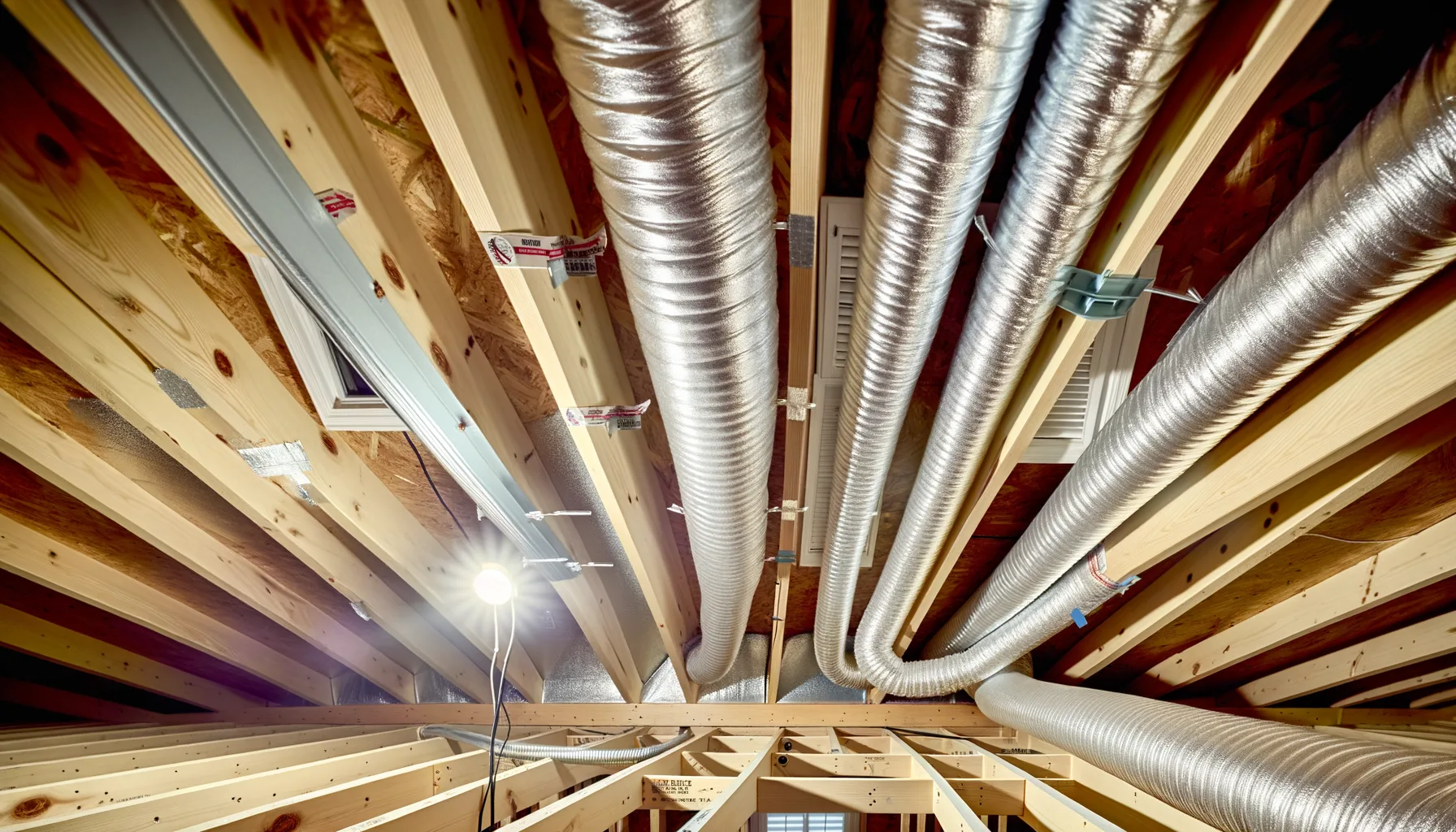
Winter storms in Austin can be unpredictable, often bringing a mix of cold temperatures, ice, and torrential rain. Imagine being cozy at home, only for your HVAC system to suddenly fail amid a storm. In such cases, knowing how to navigate the situation can mean the difference between comfort and chaos. With temperatures dipping and the possibility of power outages or flooding, it's crucial for Austin homeowners to be prepared for HVAC emergencies during these seasonal storms.
Why This Matters for Austin Homeowners
When the temperatures drop unexpectedly or hail damages your HVAC unit, the impact on your home can be significant. As Austin residents are prone to extreme weather conditions, the high humidity and sudden temperature swings pose unique challenges for HVAC systems. Many homes feature aging units that struggle to keep pace with fluctuating weather conditions. Moreover, the clay soil prevalent in Texas can exacerbate issues, causing foundation cracking and shifting that further affects HVAC performance.
As experts at AustinPros Air Conditioning Service know well, understanding the specific vulnerabilities of your HVAC system in this climate is critical. Regular maintenance is essential to avoid breakdowns at the most inconvenient times.
Expert Solutions & Actionable Tips
1. Perform Regular Maintenance Before Storms
Scheduling routine maintenance before the winter season is vital for HVAC longevity. In Austin, a pre-winter checkup can cost anywhere from $75 to $150, ensuring that your system operates efficiently during harsh weather. Maintenance includes checking the thermostat, inspecting the ductwork for leaks, and cleaning filters, allowing for better airflow and performance.
Don’t wait until storms are forecasted; ideally, set up maintenance appointments in the late fall so your system is primed for winter challenges. Annual checks reduce the chances of sudden breakdowns.
2. Know How to Respond to a Breakdown
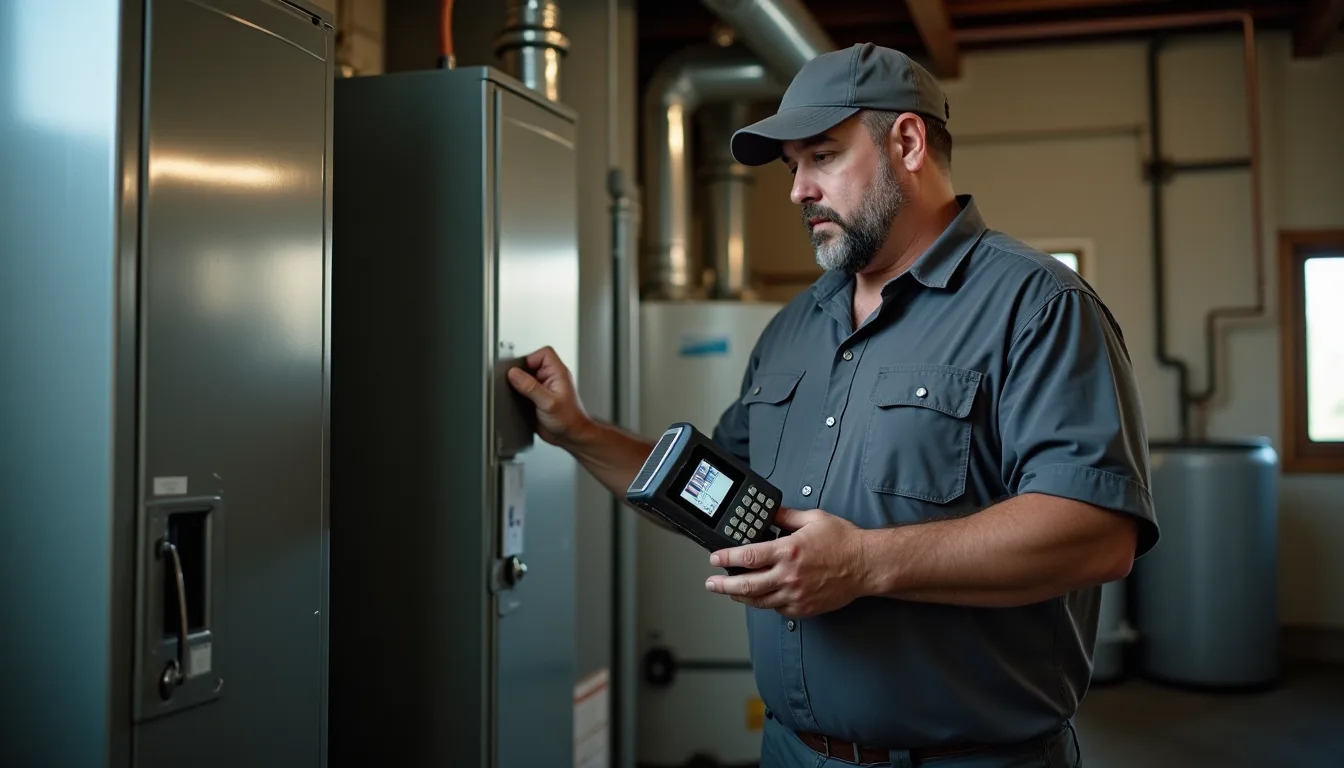
Preparation is key when an HVAC breakdown occurs during a storm. Familiarize yourself with the emergency shut-off switch for your system, usually located near the unit. If your HVAC fails, immediately switch it off to prevent any potential damage, and check your circuit breaker for any tripped switches. This can often be done in a matter of minutes.
Have a list of local HVAC services ready, including contact information for AustinPros Air Conditioning Service, just in case you need prompt assistance. Waiting until you're experiencing a crisis can lead to delays and heightened distress.
3. Consider Temporary Heating Solutions
In the event of an HVAC failure during winter, portable heaters can provide much-needed relief. Renting a portable heater typically costs between $30 to $80 per day, depending on the unit's size and capacity. Ensure you check safety guidelines to avoid risks associated with carbon monoxide.
Additionally, using blankets and extra layers of clothing can help maintain warmth until repairs are made. Having a contingency plan for heating can provide peace of mind as storms approach.
4. Be Aware of Emergency HVAC Services
AustinPros Air Conditioning Service offers emergency services for HVAC failures during storms. Knowing what encompasses an emergency can save time. During the winter, if your home temperature drops below 60°F, it’s critical to act quickly. Emergency service fees can range from $150 to $300, often depending on the time and complexity of the repair.
Establishing a relationship with a reliable HVAC provider beforehand can lead to faster response times when emergencies arise.
5. Understand Local Building Codes
Familiarize yourself with local regulations regarding HVAC installations and repairs. Austin has specific building codes that must be adhered to, and violations can lead to fines or longer repair times. When hiring professionals, ensure they are licensed and knowledgeable about local codes.
Avoid DIY repairs unless you're fully versed in local compliance requirements, as non-compliance may put your home at risk during inspections.
6. Protect Your Outdoor Units
Outdoor HVAC units face significant wear and tear during severe storms. Investing in protective covers, which can cost between $50 and $200, is a smart way to shield your system from hail and winds. Ensure your outdoor unit is elevated to prevent flooding from heavy rains, a common challenge in Austin.
After storms, inspect the unit for any damage and clean off debris to avoid clogging and inefficiencies.
Austin Climate & Local Context
Austin's climate is characterized by extreme heat, high humidity, and the occasional winter storm, leading to unique challenges for local HVAC systems. With many homes designed decades ago, homeowners should be aware that older equipment might not withstand today's weather demands. Foundation issues can also affect how HVAC systems function, necessitating thorough inspections whenever temperature jumps lead to soil movement.
Texas regulations require specific permits for major repairs or replacements, usually involving an inspection by local officials. Making sure that your HVAC system is compliant with Austin's codes not only enhances safety but preserves the system's efficiency and performance during the stormy seasons.
When to Call a Professional
Know when it's time to contact a professional versus going the DIY route. If you notice odd sounds, an inability to maintain temperature, or if your system is completely unresponsive, it’s often best to call for help. Emergency service from qualified professionals provides peace of mind during a crisis.
- Repeated tripping of the circuit breaker.
- Unusual smells coming from the system.
- Water leaks around the unit.
- Significant drop in airflow.
- Thermostat not responding.
- Visible damage to the unit after storms.
- Rising energy bills without changes in usage.
- Inconsistent temperatures in different home areas.
While minor issues can often be addressed by the homeowner, recognize when a qualified professional should be involved.
Frequently Asked Questions
What should I do first if my HVAC system breaks?
Start by turning off the system to prevent further damage. Then, assess your breaker for tripped circuits and look for visible issues.
How much does emergency HVAC service cost in Austin?
Emergency service fees typically range from $150 to $300, depending on the time of the call and necessary repairs.
Is it safe to use a space heater while waiting for repairs?
Yes, using a space heater is safe as long as you follow safety guidelines and ensure proper ventilation.
Can I attempt to repair my HVAC system myself?
Certain basic checks can be done by homeowners, but it's best to call a professional for serious issues to avoid further damage.
How can I improve my home's heating efficiency?
Consider adding insulation, sealing leaks, and scheduling regular maintenance to enhance your HVAC system's efficiency.
Get Expert HVAC Service in Austin
If your HVAC system fails during a winter storm, don’t hesitate to seek help. Call (737) 316-5523 for reliable service from AustinPros Air Conditioning Service. Your comfort is our priority, especially during unexpected weather events.
Trust our expertise to get your HVAC system back on track, ensuring you stay warm and secure during Austin’s unpredictable winters.